MOZAMBIQUE DIVE SITES
|
||||||||||||||||||||||||||||||||||||||||||||||||||||||||||||||||||||||||||||||||||||||||||||||||||||||||||||||||||||||||||
|
|
|
|
is 15km away from the South African border The floods and thirty years of civil war have left Southern Mozambique with only the most basic infrastructure. Here you can enjoy miles of unspoilt white sand beaches, with lush coastal bush and sparkling blue sea.
The biggest tagging programme of whalesharks operates from this area and they have the most sightings worldwide.
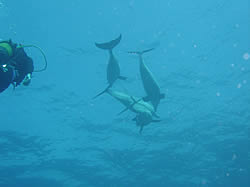
October to March is the best time for whaleshark sightings. Sharks, dolphins, rays, manta rays and huge bass are regularly seen.
is situated in southern Mozambique 15 kms north of the South African border at Kosi Bay.
Accommodation is varied and set under shady trees. Enjoy clear starry night skies, friendly people and wonderful seafood.
You can enjoy sunny days and kilometres of deserted beach. The dive camp at Malongane lies nestled in the coastal bush, just a few metres away from the launch site. From here the dive-boats launch from the beach, through the surf.
The coral reefs are not that well known and range from 10m to 30m deep, with visibility on average round about 40m.
The reefs are dotted with
caves and gullies,with a suprising variety of colour, plenty of scorpion fish, tropical fish, dolphins, sharks, turtles, and whale sharks.
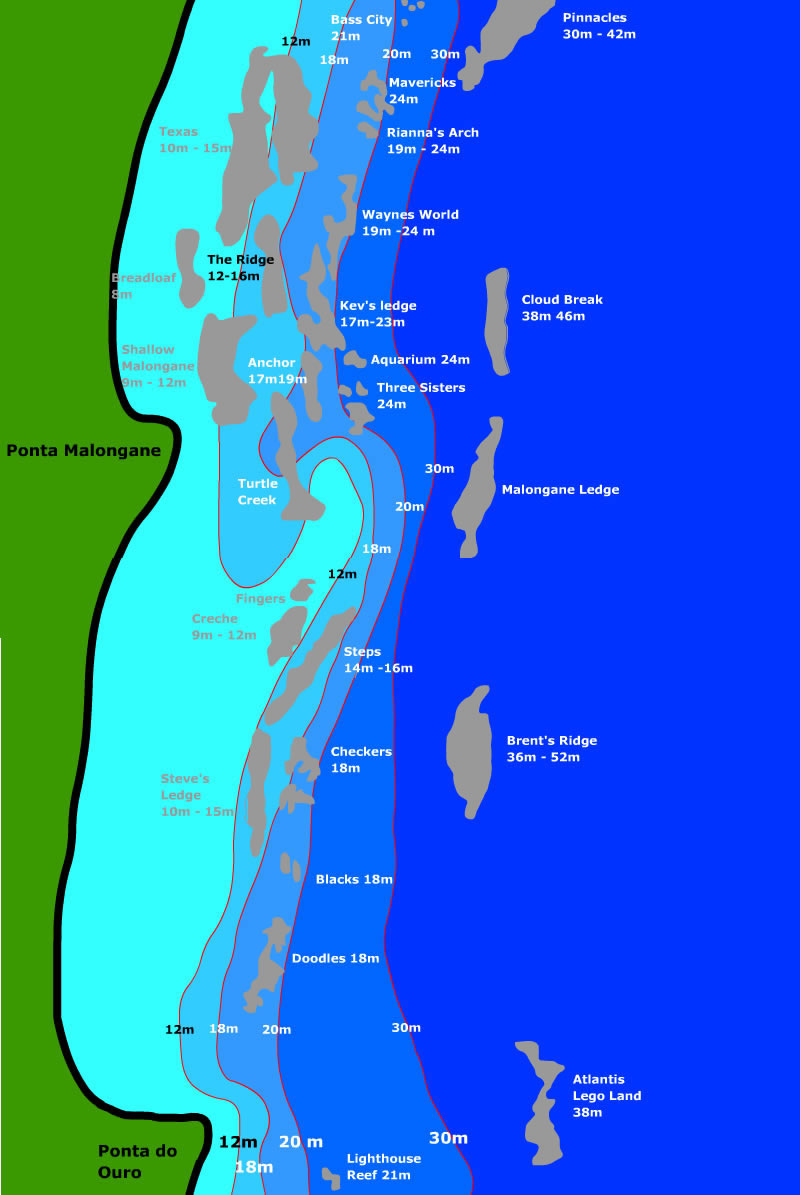
Map created by Louis-John Havemann from an original map by kind courtesy of Sandy Probert of Planet Scuba CLICK ON MAP TO ENLARGE
|
Ponta Mamoliis a short distance up the coast from Ponta Malongane. It is a quieter less developed resort spot than Malongane.
Inhaca IslandThis island lies 24kms across the bay from Maputo and is about 40 square kilometres in size.It is named after chief Inyaka who gave some shipwrecked Portuguese sailor explorers refuge in the early 1500 s. A few thousand years ago this island was connected to the mainland but eventually the forces of nature opened a channel between Ponta Torres and Santa Maria on the mainland.
Diving information; Water temperature: The Mozambique Current runs off the coast and temperatures are generally between 22°C in winter and 27°C in summer. A 3mm-5mm wetsuit is more than adequate. Best times to go: June to September is the time to see migrating humpback whales. Whale sharks can be seen during most of the year but the best time to see them is from October to March. Ponta do Ouro and Ponta Malongane dive sites; For interesting info on seaslugs and nudibranches: http://seaslugforum.net |
Lighthouse Reef;Lighthouse is right on the border between Moz and SA and therefore is not a reef that is allowed to be dived being on the border.
The officials get rather uptight on the parksboard side (SA) if they see boats in the vicinity. |
No info |
Atlantis dive site;38m down to 47m and about 300 m long and lies about 3 kms off shore.
Atlantis is for experienced divers.
Due to the depth of this reef it is not dived very much, therefore not a lot is known about this reef.
|
 |
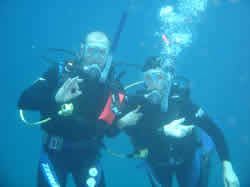
.Doodles dive site;This reef is between 15 - 17 metres deep. Doodles is a thrilling dive experience with a large variety of marine life that can be found around the reef. Marine life to be seen include, a variety of game fish, moral eels, mantis shrimp, Octopus, potato bass and rays.
Doodles is Ponta Do Ouro's "house reef" as it is about a 10 minute boat ride to this reef. Doodles is by far the busiest reef in Ponta Do Ouro.
|
 |
Blacks;A small reef very similar in shape and size as that of Bass City.
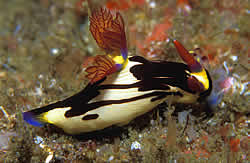
Plenty of seagrass on the reef and lots of small things to see. Ghost Pipe Fish, Nudibranchs, eels, plenty of lion fish/devil fire fish as well as potatoe bass.
Being between Doodles and Checkers, lots of what you see on Doodles you will see on Blacks.
This reef is suitable for all level of divers. The average depth is 15m with a maximum of 18m. |
 |
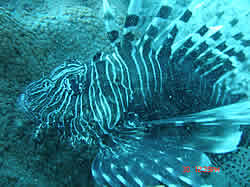
Steve's Ledge;This is a thin reef and an extension of Steps, and is 19m deep in places. The average depth on this reef is 14 to 16 m.
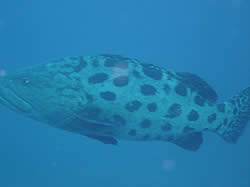
There are quite a few of the Rock Cod or Grouper found on this reef.
|
 |
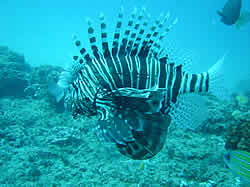
Checkers;Checkers has a depth of 15 -18 m.
The variety of fish species on this reef is astounding.
Rays are frequent visitors to this reef |
 |
Brents Ridge;
|
|
Steps
|
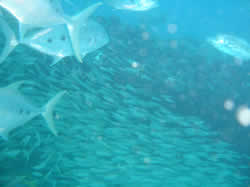 |
5.The Creche dive site;This reef is between 10 - 12 metres deep and is an ideal reef for novice divers and those divers who enjoy an open water shallow reef dive.
The reef is made-up of different sized boulders or rocks on a sandy bottom.
|
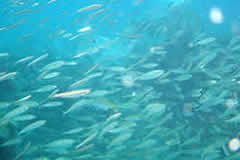 |
Fingers;A reef with numerous gullies, crevices and sandy patches.
A prospect not to be missed where there are huge amounts of fish life - black cheek moray eels, honeycomb morays, lionfish and large rays are just some of the examples If you want to explore and see pinnacle rocks, sand gullies, plate coral and a variety of fish life especially rays and scorpion fish then this is the reef to experience.
This reef is suitable for all levels of divers. The average depth of this site is 12 meters with a maximum of 14 meters. |
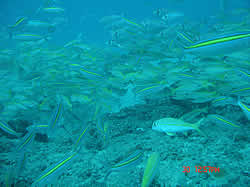 |
Malongane Ledge;This reef together with Cloudbreak & Brents are reefs that are not commonly dived as they are very deep and can drop to 50m plus. The reefs when dived are dived by the tech divers who would do it on rebreathers etc. Beyond the level of recreational diving.
|
|
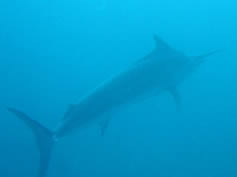
Three Sisters dive site;This reef lies further out than the others reefs and is between 21 - 25 metres deep, with excellent visibility. It got it's name from 3 pinnacles about 50 metres apart from each other. There is an abundance of marine life here including lionfish, moray eels and also Manta rays.
This reef is similar to aquarium as it is quite small. Due to the depth and its location some rare sightings of the big game fish species like sail fish and black marlin have been reported here. |
 |
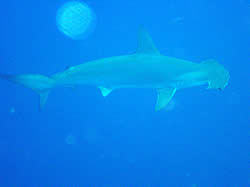
Cloud Break dive site;35 - 38 m deep and is a long flat reef made up of big "square blocks" with a ledge that runs along the out- to- seaside.
Like the Pinnacles, this reef also attracts the game fish and therefore attracting the sharks.
Because this reef runs in a similar depth to the Pinnacles, the currents are sometimes unpredictable. |
 |
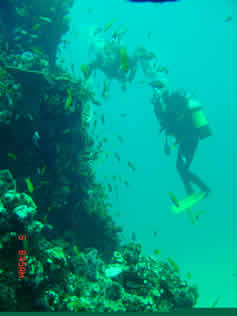
Aquarium dive site; 25 m.This is a large boulder similar to Mavericks and is hollow inside, on the bottom it has big "windows" to look into.
Aquarium is surrounded by small rocky outcrops that house delicate black corals inside the cavity and outside teems with colourful reef fish.
It is also home to territorial white & purple leaf fish clinging onto the rocks with their pectoral fins.
This small but amazing reef lies in 25m of water. Although this reef is small it is one of the prettiest reefs by far. |
 |
Anchor dive site: 18 - 20m deep.This reef got it's name from the anchor at the southern inshore end of Kev's Ledge.
This is a long pretty stretch of reef with the southern part the most interesting.
During Whale season you can hear whalesongs on this reef. |
 |
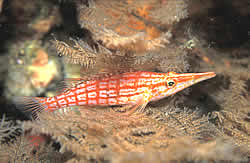
3. Shallow Malongane dive site:This reef stretches about 3km, almost the whole length of Malongane Bay . This whole reef is covered with pristine hard and soft corals. Large areas are covered by Stag Horn Coral. Due to its shallow depth and proximity to the beach, this reef is a perfect playground for Juvenile Fish and game fish alike. |
 |
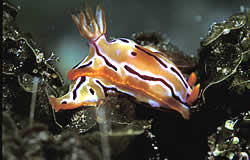
Kev's Ledge dive site:This is a 6m rocky ledge and is similar to a wall dive. There is also abundant marine life. This reef ranges from 19m to 25m on the sand. It is the only 'wall dive' in Ponta Do Ouro with a big over hang on the bottom where you sometimes find the Hawksbill Turtle sleeping. Many different species of nudibranch are found here. There is a big mound of Maze Coral at the entrance of the overhang that protects the Juvenile Fish. Kev's ledge comes to a point where all the bigger fish congregate and face the current. |
 |
Bread Loaf dive site: 10 -15 metres deep.
This is a reef with rock pinnacles, sand gullies, coral and a variety of marine life like rays and scorpion fish |
 |
Ridge dive site: 12 - 16m deep.This reef has a ledge that is about 4 m high with a lot of both hard and soft coral in beautiful profusion. There is also a on this reef.
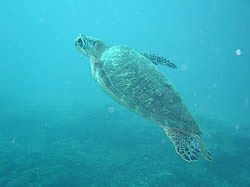
There is a lot of marine life including turtles and kingfish and a variety of other marine life.. |
 |
Wayne's World
Part of the Malongane's deep reef system, this reef lies in 25 m of water.
|
 |
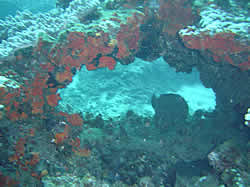
Rianna's Arch dive site: 18 - 24m deep.
Experience the thrill of swimming through the magnificent arch on the northern side of Kev's Ledge.
This is a dive site that is rich in marine life. |
 |
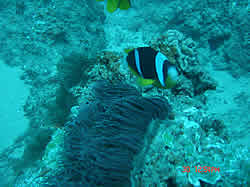
Maverick's dive site: 25 - 28m deep.
Mavericks is situated in the Malongane Bay .
The reef itself is covered in beautiful hard and soft coral and mushroom coral can also be found, |
 |
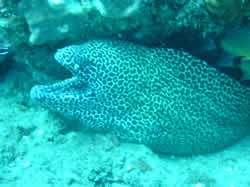
Texas dive site; This reef is between 9 - 19 metres deep.It is one of the larger coral reefs at Ponta Malongane, hence the name.
There is a big gully in the centre of this reef and the more daring divers seeking adventure, can swim through the arches and under the overhangs where moray eels can be found. This factor is a highlight of a dive on Texas reef.
Various corals like, Plate, Staghorn and table are to be found here, as well as a wide variety of marine life, like cowries, nudibranchs, starfish and giant clams. Texas is one of the prettier reefs and is a delight to divers who lean to studying and identifying corals and marine growth and the different species of fish. You cannot appreciate this reef with just one dive so you have to come back for a repeat or two. Because this reef is relatively shallow divers have more than enough time to enjoy the wonders of Texas. It must be pointed out that Texas is so close to the shore, you cannot dive this reef with a big swell running. |
 |
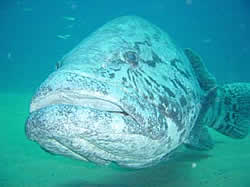
Bass City dive site: 20 - 25m deep.This is one of the best known of Ponto’s dive sites. situated just off the Madejanine Point. The reef itself is covered with many different types of sea weed and plants and boxer shrimp and mantis shrimp are also found. |
 |
Pinnacles dive site: 28 - 40m deep.
Here you dive on the edge of a continental shelf and is not recommended for inexperienced divers. The best time to dive this reef is during the summer months.
This reef is 5 km out to sea and diving here can be very different from the inshore reefs. |
 |
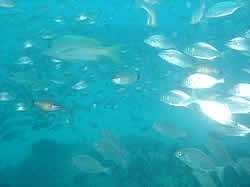
Paradise Ledge dive site: 12 - 18 metres deepThis is a chance to experience an under water paradise, hence the name. As the shallow parts of this reef tend towards the flat and bland side, the best place to dive is on the seaward side. On days when the current is strong this reef is perfect to dive on as you can just sit back and enjoy the ride. |
 |
PEMBA DIVE SITESDIVE SITES:Water temperature is 30°C in summer and 25°C during winter.
The Gap This site is on the way to Ponta Maunhane and about 20 minutes by boat from Pemba going south.
Playground There is a shallow wall dive - about 4m to 12m - off the northern peninsula of Pemba Bay.It is about 15 to 20 minutes by boat, from the dive resorts. Unfortunately because it lies close to cliffs on land, it can only be dived in good weather conditions.
Pyro Banks This reef is in the same area as The Gap, and is a shallow reef, - 5m to 15m.
Ponta Saide AliNot far from Playground, is another coral reef which slopes from 2m down to about 21m. River Mouth
At the mouth of the Tari River is a reef between 3m and 24m deep.This reef consists of big boulders everywhere. |
|
BAZARUTO ISLAND REEFS
Brindle Bass Ridge (North Point)
This large reef has a maximum depth of 18 metres and features impressive concentrations of snappers, angelfish, rubberlips, brindle bass and reef sharks. An unusual depression, The Toilet Bowl, is lined with dazzling soft corals.
Potholes (North Point)A series of shallow potholes at a depth of about 12 metres, this site can be dived only in flat conditions. You fin from pothole to pothole and the larger ones often shelter black-tail reef sharks. Other potholes are lined with soft corals and have interesting tunnels to explore.
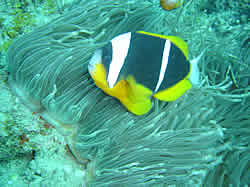
Manta Ray Reef (North Point)This is a flat reef at a maximum depth of 15 metres where schools of fish such as crescent-tailed big eyes and blue-banded snappers are regularly encountered. The reef has spectacular concentrations of anemones sheltering both nose-stripe and two-bar clownfish. The reef is also frequented by green turtles.
Rainbow Runner Reef (North Point)This reef has a maximum depth of 25 metres (on spring high tide) where divers should concentrate on watching the open ocean above the sea floor. Manta (in season) and spotted eagle rays, potato and brindle bass, kingfish, rainbow runner, green jobfish and Zambezi sharks pass through this area. The reef also has impressive accumulations of green-tree and whips corals.
Turtle Ridge (North Point)A narrow ridge at a depth of 14 metres, frequented by turtles and game fish such as barracuda.
Five-Mile ReefSituated off the south-eastern beaches of Bazaruto, this reef is not as diverse as Two-Mile Reef and is therefore not a favourite among local dive masters. Some divers have seen Zambezi sharks in the 10-metre shallows. Five-Mile has a very interesting bottom structure and the outside ledge is occasionally visited by large pelagics.
Two-Mile ReefA short barrier reef protecting a narrow channel between Bazaruto and Benguerra. It's particularly well known for its excellent snorkelling sites inside the reef such as Aquarium, as well as for a host of exciting dives on the outside. The dives range between six and 21m. The flat-topped reef supports a colourful diversity of hard and soft corals, with a highlight being the numerous schools of reef fish such as coachman, fusilier, snapper and surgeon. Schools of large pelagic and reef fish also frequent the area and there's a chance of encountering potato bass; kingfish; barracuda; devil fire fish and honeycomb ray's and reef sharks. Occasionally, in season, manta rays have been spotted here. |
|
ISLANDS OFF MOZAMBIQUE |
|
Medjumbe Island dive sitesMedjumbe Island has around it, some of Mozambique's really beautiful coral reef dive sites.This island lies between the northern Mozambique coastline and next to the Mozambique Channel.
|
|
Southern Medjumbe dive sites
Dusky Pinnacle
Joe's Ridge
Neptune's Nursery
Quarmby's Reef 16m
Shallow Hal's
Sita's Shallow Reef 10m - 18m |
|
Northern Madjumbe dive sites
Laura's Leap
Rocha Rocks 12-30m
Sambi Sambi
The Edge of Reason
The Far Side • Sloping Wall 9-23m
|
|
| Mozambique scuba diving, Mozambique Dive Sites, Mozambique Dive Centres, diving with dolphins, Mozambique coral reefs, Mozambique diving destinations, Mozambique coral reefs, snorkeling in Mozambique | |
|
|||||||||||||||